New Image Comics x Tiny Onion Series ‘In Your Skin’ is ‘The Substance’ Meets ‘Perfect Blue’: Interview with Aditya Bidikar and Som
James Tynion IV’s production house delivers another A+ horror series this April

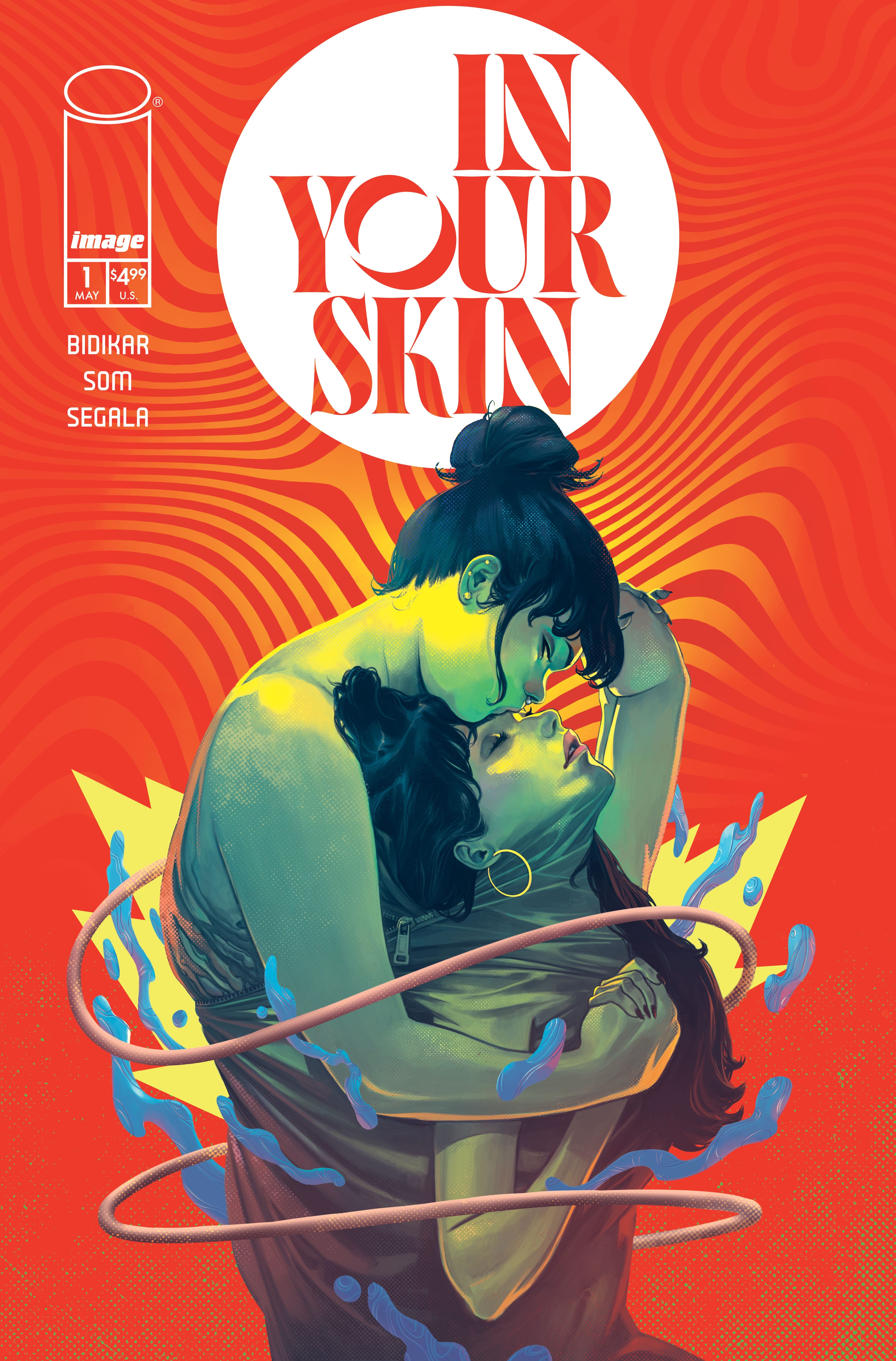
James Tynion IV’s multimedia independent production house Tiny Onion continues to deliver top-notch horror stories that disturb readers to the core. Aditya Bidikar and Som’s new Image Comics series In Your Skin is no exception–exploring the complicated, and often terrifying, parasocial relationships between fans and celebrities. Throw some body-horror visuals on par with John Carpenter’s The Thing, and you have a unique story that blends elements from the films The Substance and Perfect Blue in this thrilling series. In Your Skin #1 hits shelves April 22, 2026.
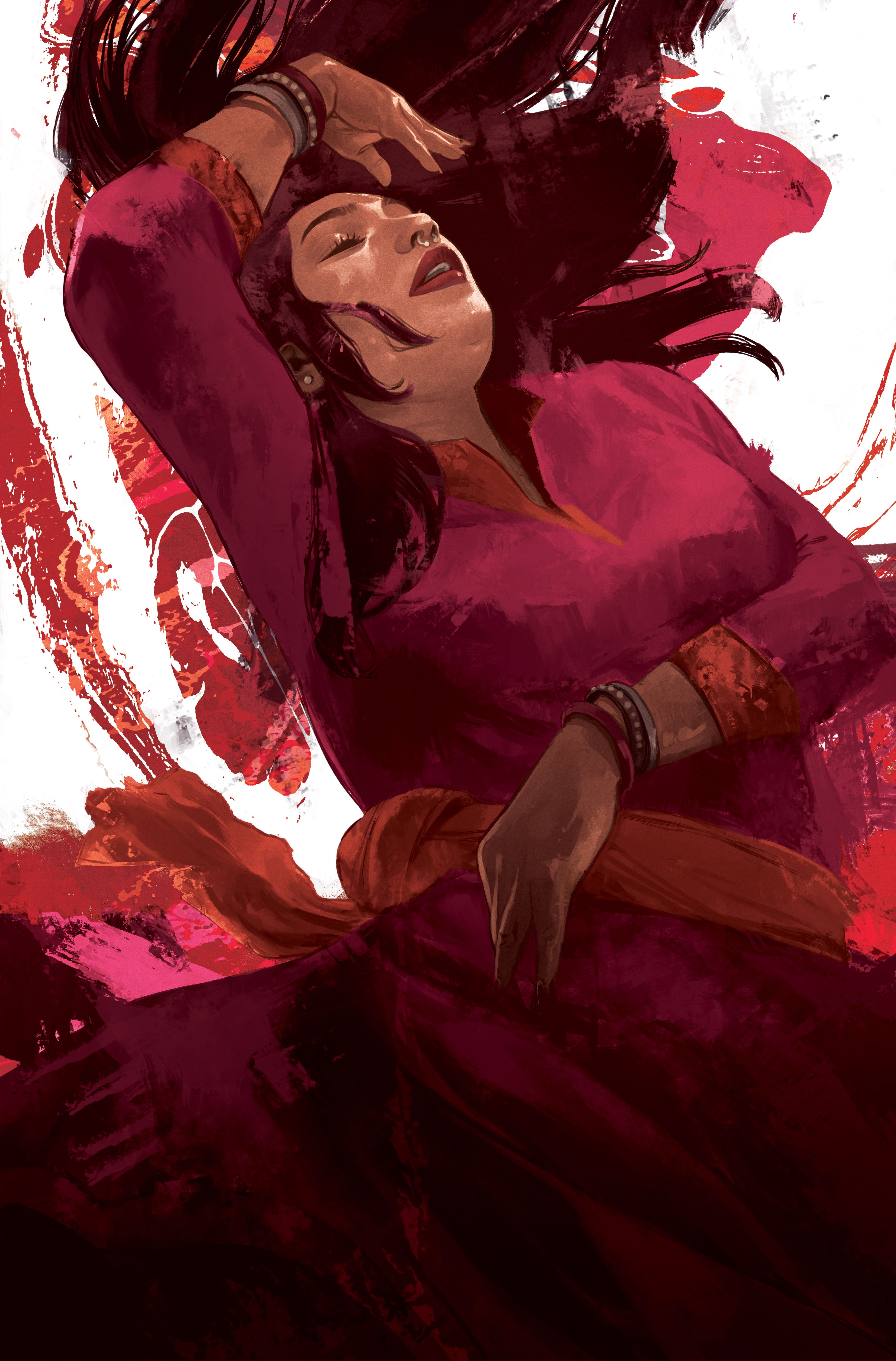
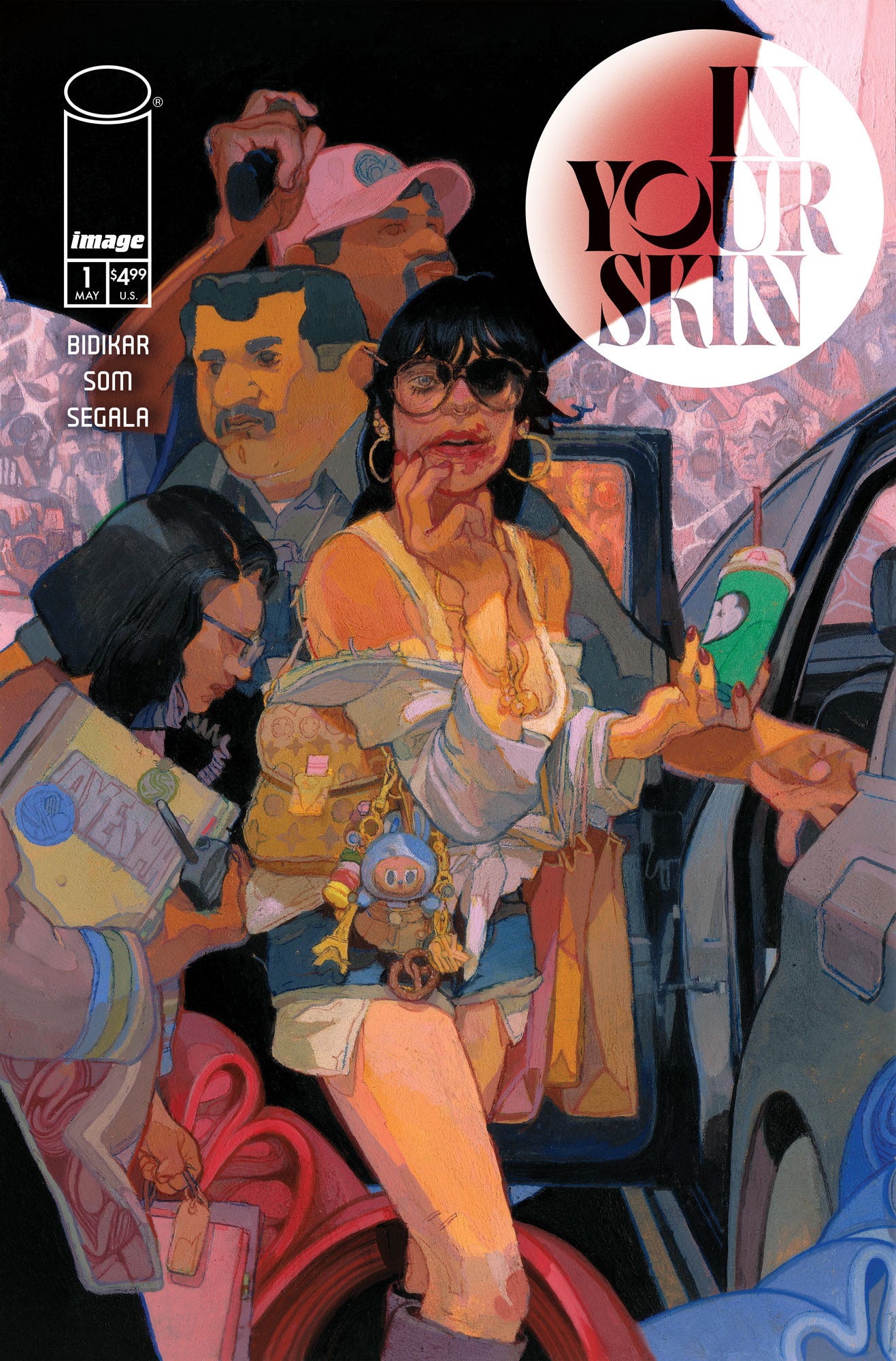
In In Your Skin, Priyanka is a Bollywood uber-fan who has been obsessed with film star Ayesha Sen since she was a kid—she’s watched her movies over and over, and knows her dances beat for beat. But after a once-in-a-lifetime chance to meet her idol goes awry, and Ayesha announces her impending retirement from movies, Priyanka decides that if Ayesha isn’t going to live the life she’s supposed to, Priyanka would be more than happy to take over for her…
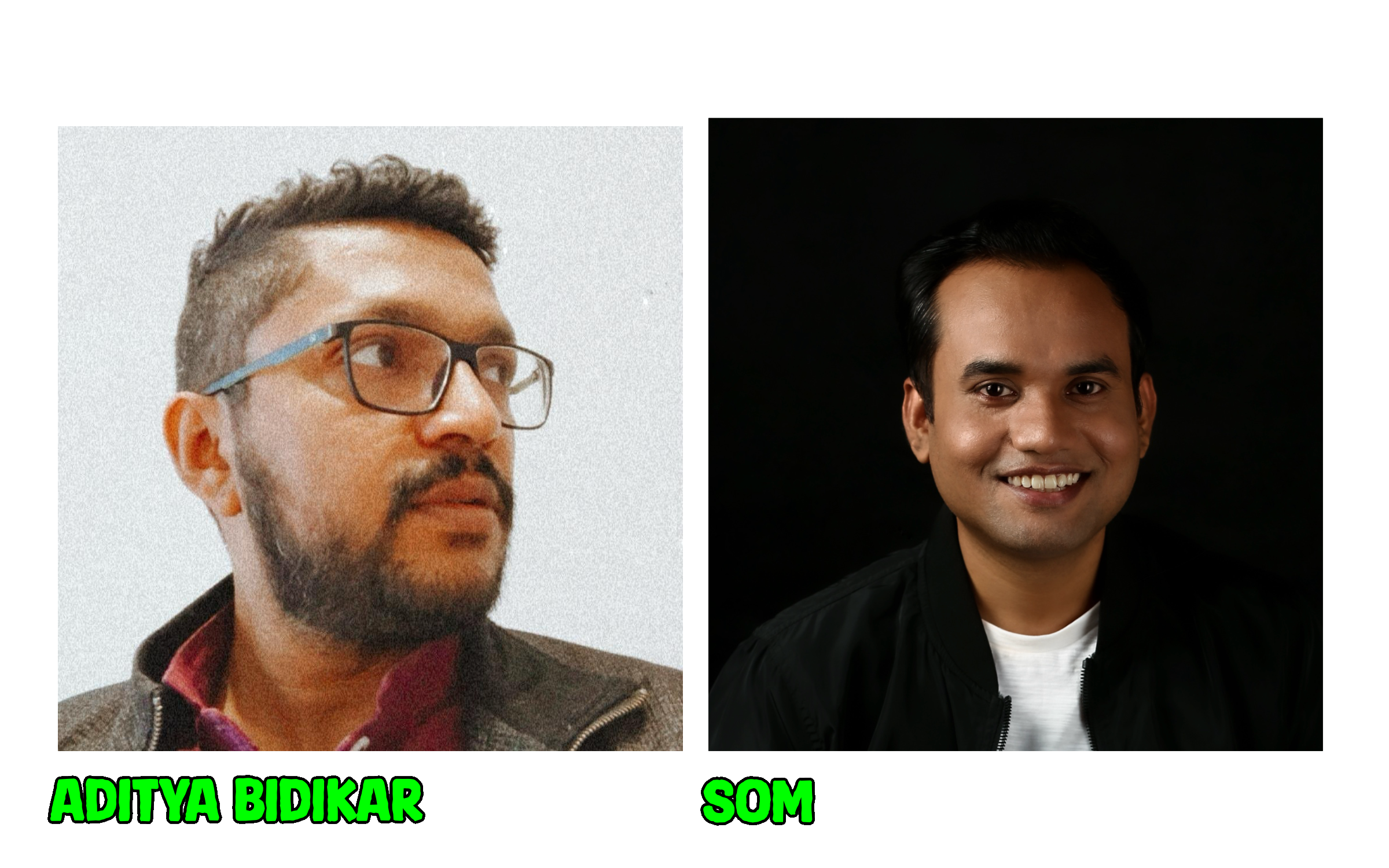
Aditya Bidikar is an award-winning letterer who has worked for DC Comics, BOOM! Studios, Oni Press, Dark Horse, and many other major publishing companies. You may recognize Aditya’s cinematic style of lettering from titles such as The Department of Truth and Everything Dead & Dying. Part of Tiny Onion’s Artists in Residents Program, this is Aditya’s solo writing debut! Aditya is joined by artist Som (Somnath Pal), a multimedium-master in visual storytelling who has a background in animation and is known for the BOOM! Studios comic book series Crocodile Black. Both creators live and work in India.
I had the opportunity to speak to the creative geniuses behind In Your Skin, and I have to say, this is one of my favorite interviews to date. Here is what they had to say:
It’s said that IN YOUR SKIN is good for fans of THE SUBSTANCE and PERFECT BLUE, two titles I love. 100% accurate comparisons. What pieces of media influenced this series? Where did the idea come from?
Aditya: I originally came up with a very different version of this story before the pandemic. I was looking at the way fandoms seemed to be devouring celebrities, and the intense parasocial relationships forming between YouTubers/Twitch streamers and their fans, and it made me think of Bollywood and working-class India’s relationship with it. I dove into research, trawling old magazine articles and gossip forums on the Internet, and the story took shape as I went.
Cronenberg is an obvious influence—I watched The Fly at age nine and have been chasing that high ever since—but I feel a kinship with his spiritual children in the new French extremity, particularly Julia Ducournau, whose Raw and Titane are monumental works of body horror. While not influences, exactly, Eliza Clark’s Boy Parts and Alison Rumfitt’s Tell Me I’m Worthless were companions as I wrote the original outline, and because I prefer not to read fiction while I’m writing scripts, I either rewatched an episode of Deadwood—for the musicality of its dialogue—or read a poem by Lucia Perillo before I started the day’s scripting. I’m sure they’ve seeped into the writing somewhat.
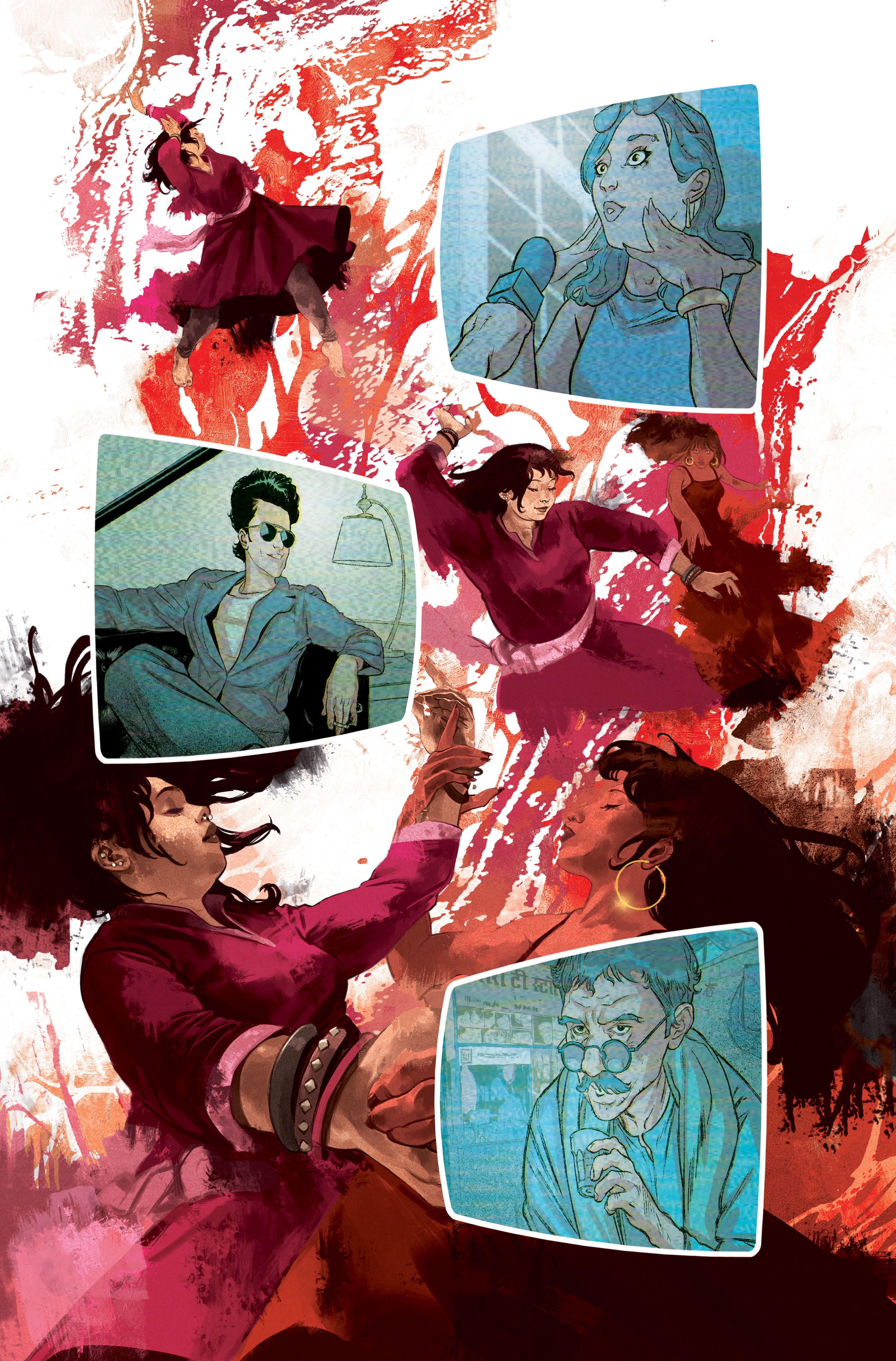
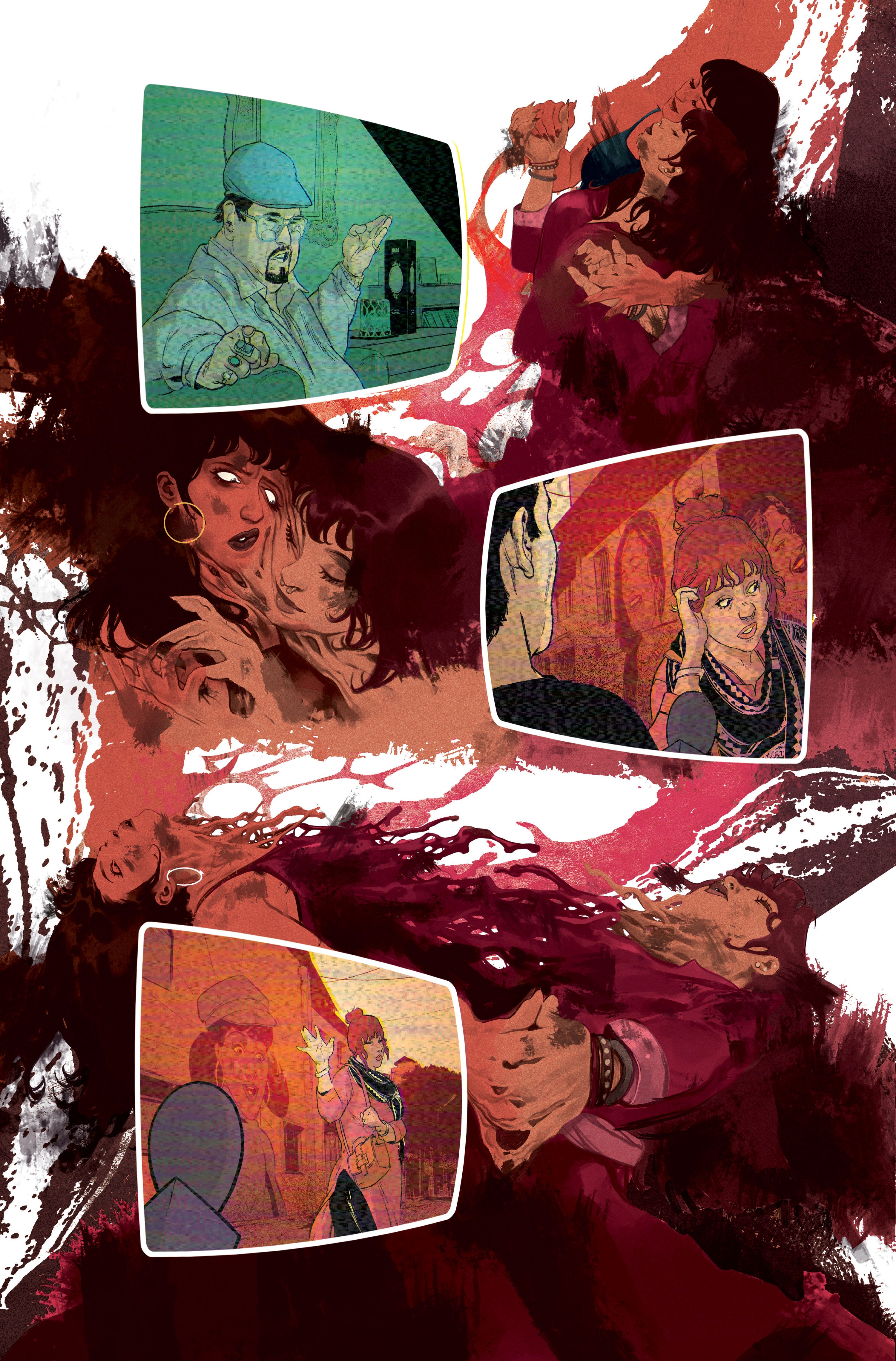
Som: Having worked in the Indian film industry, I was quite aligned with Aditya’s motivations for the project right from the start. The Substance and Perfect Blue served as key benchmarks in that sense. The process of giving form to abstract, psychological horror—and allowing it to slowly metastasize into the everyday—naturally led me back to the works of Cronenberg, John Carpenter and Katsuhiro Otomo among others. I also can’t deny the Indian film industry as a major influence. I had a lot of fun recalling locations from my recce trips and recreating them to paint a picture of Mumbai that the audience might not have seen.
Why are you drawn to comic books as a storytelling medium? What makes comics the perfect for a body-horror story like IN YOUR SKIN?
Som: The sense of time is implicit in comic books. Consequently, there is a lot of freedom for the artist to guide his viewer’s engagement with the page. The more detail the artist adds, the more the artist slows down the moment for the reader. One doesn’t necessarily get that temporal flow in films. In films, the moment of horror is always fleeting and quite often doesn’t serve much beyond a certain shock value. In comics, that one moment is stretched in time for eternity. It can make the viewers obsess about it, almost transposing them into that moment as a lived experience.
Aditya: As Harvey Pekar once said, “comics are words and pictures. You can do anything with words and pictures.” The moment I was introduced to comics as an adult (with books like Watchmen, Uncle Sam, and Persepolis), I knew this was going to be my native medium. The level of audience participation available to comics as opposed to other visual mediums excites me. As for horror in comics, as Som says, you don’t have to immediately move on from an image in a comic. You can linger, get lost in the details. It can work on the visceral level of a gut-punch, as you’ll see a bunch of Som’s pages do in this book, but it can give you a lot more to chew on. There are tricks we can pull off in comics that I feel neither prose nor film can do.
What has it been like working with each other and the creative team for IN YOUR SKIN?
Aditya: I’ve been an admirer of Som’s work for many years now, since I watched his wonderful short animated film Death of a Father. Apart from almost getting to work with him once as a letterer, and admiring the production design work he did on the wonderful feature film Court, we moved in a lot of the same circles and knew of each other for a long time. After Eric [Harburn] pointed me to his work on Crocodile Black, I pitched Som on In Your Skin over drinks, and from that first discussion on, we were simpatico. I knew that Som would bring the deep lived experience of working in the film industry as well as the nuanced, balanced approach to sex and the human body that this project needed. At every step in our collaboration, he has surprised and delighted me with the level of detail and imagination he’s brought to this book. I had a story, but Som has made it a world.
As for series colorist Francesco Segala, I worked with him on Dawnrunner and knew from then that he’s one of the nicest people to work with, apart from being incredibly talented and phenomenally collaborative as a colorist. He quickly grasped the kind of color scheme we were looking for and added his own beautiful touches to the work.
Our editor Eric Harburn is objectively one of the best editors in the biz. I’ve worked with him as a letterer almost a decade ago, and ever since, I’ve wanted him to edit a book I wrote. It has been a constant pleasure. Eric is insightful, never afraid to tell you what he thinks, but also incredibly supportive and sensitive to writerly freak-outs. He’ll tell you all the times he’s talked me down from rewriting an entire issue in a post-midnight panic. While I have the space, I also do want to shout out Allison O’Toole. She was editing my original pitch for In Your Skin before Tiny Onion approached me and has graciously stayed on as an editorial consultant to help us fine-tune this story every step of the way.
Som: Aditya and I have known each other for years. But our career paths didn’t cross for a while, owing to the fact that we served different industries. We came really close to working with each other on a project seven years ago, so that helped build our creative rapport. Thanks to all that history, we hit the ground running with In Your Skin, backing and building on each other’s ideas. Eric and I had a short overlap on Crocodile Black and ever since then I have been wanting to work with him. He is such a great vibe and absolutely what the doctor prescribed to help me calm down. In addition, he brings the necessary objectivity needed in this project since Aditya and I can often miss errors since we are so deeply involved in it. Francesco and I are collaborating for the first time, and he is a breeze to work with. I was familiar with his work and was very comforted when he said yes to us. You can see how he and color assistant Gloria Martinelli charm the audience with their colors.
Aditya, as a co-creator, you’ll be writing AND lettering IN YOUR SKIN! When writing the script do you have an idea for how you’d like to communicate the tone and dialogue through lettering, or do you determine how you’re going to letter a scene after you have reviewed the final pages? What is your creative process as both a writer and a letter?
Aditya: Eric and I have this little running joke that writer Aditya is very hard on letterer Aditya. When I’m scripting, I’m definitely thinking of how things will look on the page, but it’s when I’m lettering that I’ll do my biggest rewrites. I often rewrite the dialogue once I can see how things flow over the art because Som has already drawn half the things I wrote. It’s a big advantage I have over non-letterer writers—I have unlimited rewrite privileges with my letterer. The biggest thing I did as a letterer on this one is to create a new font to letter the book with. Usually, you have a couple of days to sit with the art and the script of a new book to come up with a lettering style. But for this one, I had months to craft a look that worked with the subject matter as well as Som’s art.
Aditya, what has it been like to be a part of the Artists in Residence program at Tiny Onion?
Aditya: It has been an unalloyed delight. First of all, it was great to have 18 months of knowing exactly where my work was coming from and not having to take on more than I could do because, as a freelancer, you’re never 100% sure if everything’s going to show up at the right time. Basically, I had all the control of a freelancer with the security of being on payroll. But also, the book contract forced me to make time for this book I’d been working on painstakingly slowly for years. Without the AiR program, I’m not sure I’d have been this deep into In Your Skin. Plus, to get to do it with the resources and the expertise of Tiny Onion backing me? A dream come true.
Som, what has your art process been like while co-creating IN YOUR SKIN? The art shifts from fever dreams to images of everyday life to dazzling Bollywood stardom to Cronenberg-esque horror. How do you balance these all to set the mood?
Som: My familiarity of the context of in In Your Skin worked to my advantage. My understanding of the city allowed me to move beyond treating spaces as mere locales. Instead, I could observe them as characters in their own right, each with a distinct personality. This perspective highlights how everyday life shifts across the various social strata. The city’s sheer diversity allows for a constant shift in lens and motivation—for instance, a cafe seen through the eyes of a middle-class Indian woman takes on an aspirational quality, reflecting the ‘enchanting’ commodification of her world. Similarly, the horror elements evolve from surreal to creepy to outright violent depending entirely on the lens through which they are observed. So, when the panel moves from the mundane to the disturbing, the lens presents a subjective experience from the character’s point of view shaped by their social and mental landscape.
Som, with this and CROCODILE BLACK being your first forays in comics, what inspired you to start making comics? Could you tell me about your background in art, film, and animation?
Som: I’d like to address the second question first as it provides better context for my journey. I began my career as an engineer before completing a two-year program in animation. My professional path in visual arts started when I was a pre-production artist at a small animation studio, which eventually led to storyboarding in advertisements and live action films. As the industry evolved, I transitioned into concept art, eventually serving as a consulting art director for pre-production at one of the premium VFX studios. A pivotal moment in my career was serving as the Production Designer for a friend’s feature film; it was there that I truly grasped the mechanics of storytelling and began to shape my own narrative voice. In my personal work, my ideas are hyper-cultural, focusing on the ‘silences’ of everyday life. Having completed one short film, I am now in the midst of my second.
To answer your first question: I view the role of a comic book artist as an all-encompassing discipline. In this medium, the artist functions as the cinematographer, production designer, editor, and co-director, alongside the writer. For me, this is the ultimate creative fulfillment. While film and animation often require hyper-specialization—where the final product can diverge significantly from the original vision—the comics pipeline offers a more intimate and controlled environment. It allows me the autonomy to fully visualize a world in close consultation with the writer and editor, ensuring the initial spark of the idea remains intact.
What makes Tiny Onion the perfect collaborators to help tell this incredible story?
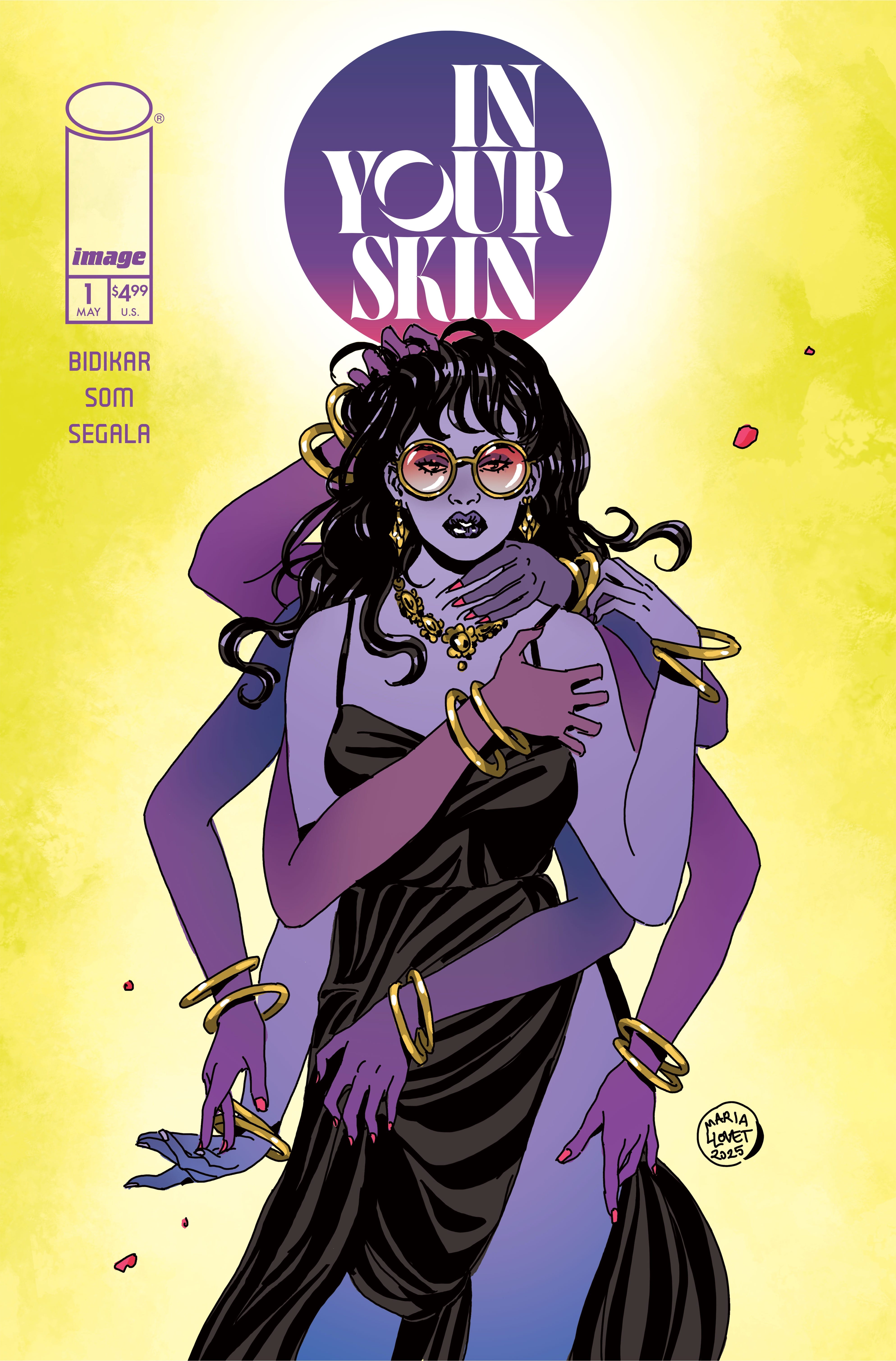
Aditya: For me, Tiny Onion is simply a wonderful collaborative space. I’ve been working with James [Tynion IV], Eric [Harburn], Greg [Lockard], and Steve [Foxe] for years, back when the empire was just a twinkle in James’s eye, and as a creator, I feel like I’m in the safest hands in the industry. The entire team has been incredibly cooperative and enthusiastic throughout the collaboration. Plus, Tiny Onion is great at horror, and we get to use that expertise for our little book, whether it was editorial feedback, or finding the murderers’ row of variant cover artists we were able to get. Every new creator is taking a huge leap when they make their first book, and I couldn’t be luckier than to have Tiny Onion in my corner.
Som: My first collaboration with Tiny Onion has been an incredibly rewarding experience, particularly due to the creative latitude that has been afforded. Despite the many horror titles in their lineup, the team has given us the space to find a truly unique voice. They were incredibly supportive, helping us define our niche while ensuring our creative vision remained uncompromised. It’s rare to find that level of support alongside such genuine artistic freedom.
Is there anything you’re really excited for readers to see when picking up IN YOUR SKIN? Anything you can tease?
Som: Ah, it is stating the obvious when I say that there is no room for chance when you create a panel. If you look at the background action, there will be a lot to munch on—you can keep peeling the panels as layers. For instance—and this may complement my answer to one of the earlier questions—I have embedded surrealist elements within the mundane settings. Like in several scenes, the eyes of iconic Bollywood actresses from advertisements or graffiti seem to follow the lead, Priyanka, with a questioning gaze. To the observant viewer, this creates a lingering, ‘disturbing’ presence, mimicking the unsettling sensation of being constantly watched or followed. Oh, you might even find some familiar faces there.
Aditya: My primary goal as a creator is to try to give the reader something they haven’t seen before. With In Your Skin, American readers are going to see an authentic, lovingly rendered milieu they haven’t experienced before. But after that, let’s just say that with each issue, we’ve tried to give you something you haven’t seen before. Something I can tease though is that we’re doing era-accurate movie posters from Ayesha Sen’s fictitious filmography, and Som has managed to stuff so many industry Easter eggs into these that I find myself cackling every time I look at one.
And lastly, a fun one, if you were to trade places with any celebrity, who would you pick and why?
Aditya: I’m just finishing up a book dismantling the idea of celebrity, partly because I think being a celebrity distorts your view of the world, so it’d be a bit rich of me to—wait, didn’t Charles Dickens fans line up on the docks screaming for the next instalment of one of his novels? As a writer of serialized fiction, I could do with some of that.
Som: Dang! You found the one question that actually broke my brain. If I have to pick one, it’s an Indian celebrity in the true sense, Kamal Haasan—a cinematic polymath who treats the movie set like a creative laboratory, constantly dismantling narrative limits and visual boundaries that others wouldn’t dare to touch. To his fans, he is the ‘Universal Hero’ (Ulaganayagan) for a reason: he isn’t just another player in his film, he is someone who re-engineers the medium itself.
Haasan stripped away the crutch of sound to make a dialogue-free feature, Pushpak, just to prove that silence is a universal language. His film Abhay was cited by Quentin Tarantino as a direct inspiration for the animated O-Ren Ishii sequence in Kill Bill. I’d swap with him just to feel the weight of the boundaries he is breaking with his techniques—whether it’s using Rashomon-esque perspectives to question the nature of truth in Virumaandi or weaving a nonlinear fictional biopic in Hey Ram to explore national trauma, or converting a road movie into a philosophical treatise on humanism in Anbe Shivam. If that was not all, he has one of his films, Nayakan in Time Magazine’s “All-Time 100 Movies” list. Phew!
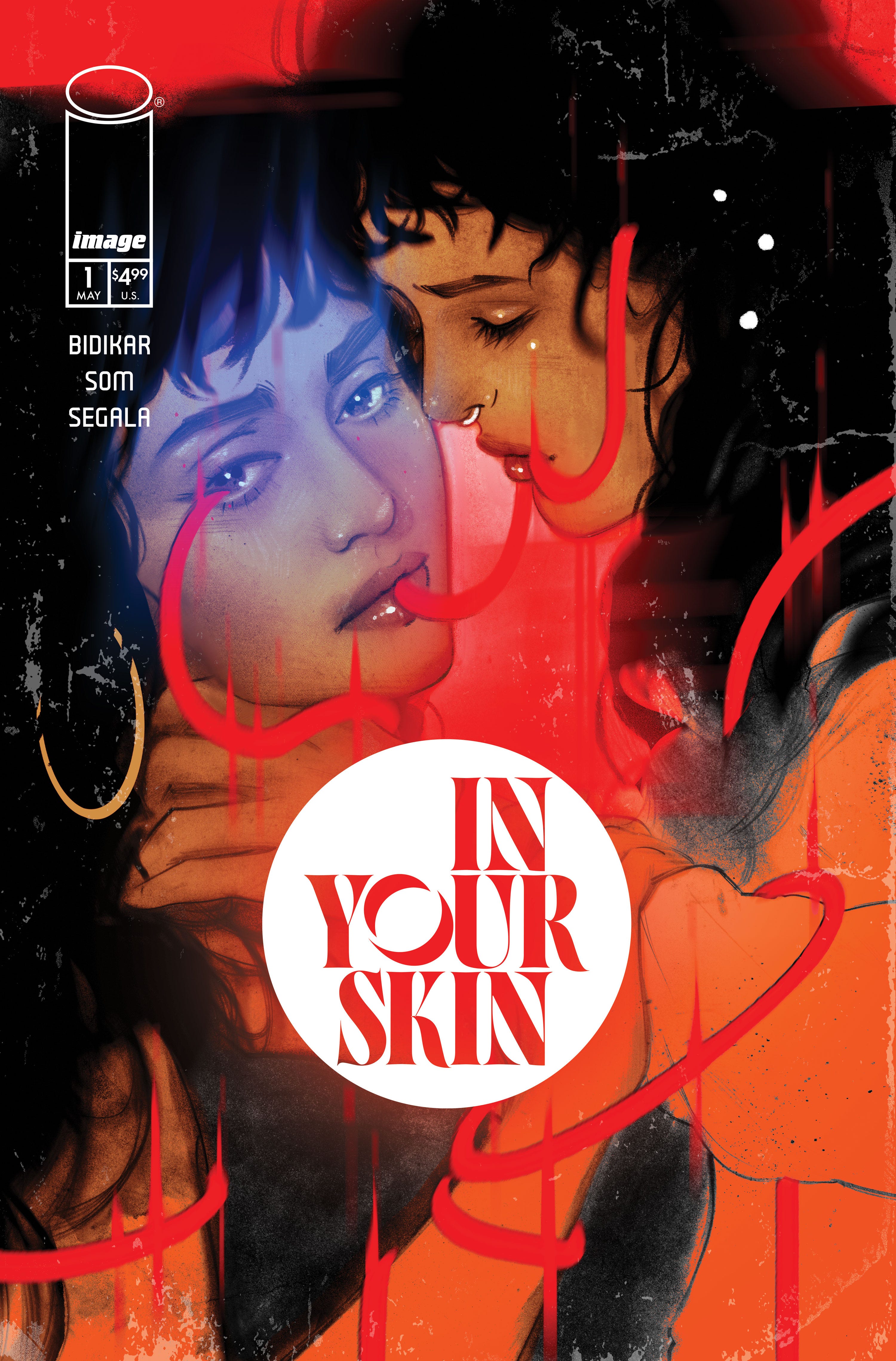
‘In Your Skin’ #1 will be available at comic shops and for digital purchase on April 22, 2026.

Sami DeMonster is the founder of The DeMonster and a freelance writer for DC.com. She is best known for being a content creator with a focus on comic books, with an emphasis on horror. She works with most major comic book publishers to help promote new titles and encourage people to read more comics!